相关文章推荐
 育路教育-专注国际教育,提供高质量的择校服务。
- 微信小程序

快速择校
- 微信公众号

政策解读
育路教育-专注国际教育,提供高质量的择校服务。
快速择校
政策解读
010-51268841
全国统一招生热线
各位家长们好,当您点开这篇文章,就说明了一点:你们非常在乎自己孩子的未来,也愿意认真思考,怎样才能真正帮助他们成长。
本文的主题是“同心 赋能”。
这两个词看起来很漂亮,但它并不是一个抽象的口号,而是非常具体的现实:孩子正站在两股强大力量的正中间
——一个是家庭,一个是学校。
如果这两股力量方向一致,孩子就会变得更坚强;如果用力方向相反,受到撕扯的就是孩子自己。
事情其实就这么简单,也就这么严重。
Dear parents, when you open this article, this shows you care deeply about your children’s future and you’re willing to think seriously about how to best support them.
Our theme is “Empowerment through Unity.” Of course that sounds nice in an article, but it’s actually something very concrete: your child stands in the middle of two powerful forces, the family and the school. If those two forces are aligned, the child becomes stronger. If they pull in opposite directions, the child is torn apart. It really is that simple and that serious.
——来自北京东方红学校明德学院外方学监在家长会中的深度分享
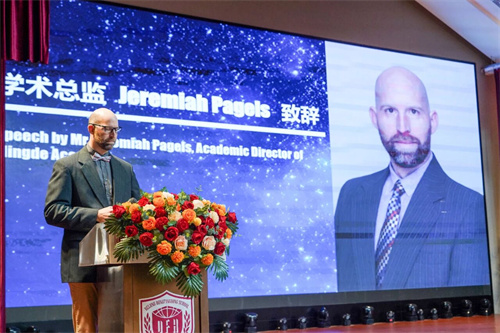
*外方学监Jeremiah Pagels家长会中分享-1
在过去一年里,我们明显感到学生在心理层面的挣扎越来越多:焦虑增加,情绪波动变大,睡眠问题变多,说“我撑不住了”的孩子也更多。
仔细去追根溯源,我们发现问题往往并不是从课堂本身开始的,而是出在家庭环境:亲子关系的质量是混乱还是稳定,有没有清晰的规则和持续的关爱。
“这不是在指责家长,而是在如实描述现实,并真诚地邀请大家与学校建立更紧密的合作关系,以便于学校和家庭,可以一起更加理性、有效地应对这些挑战。”
Over the past year, we’ve seen a noticeable increase in psychological struggles among students, more anxiety, more emotional instability, more sleep problems, more students who say, “I can’t cope.” And when we look carefully, we see that the source is often not in the classroom. It’s in the home environment: the quality of the relationship between parents and children, the level of chaos or stability, the presence, or absence, of clear rules and consistent love.
Now, I want to be clear: this is not about blaming parents. This is about describing reality honestly and asking for a strong partnership, so that we, school and home together, can respond intelligently.
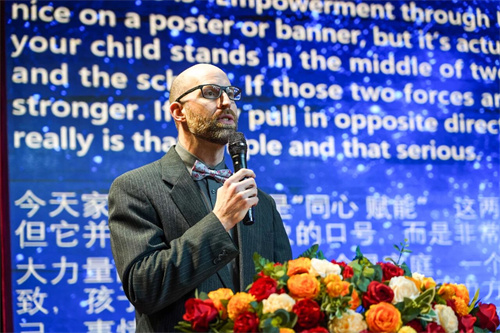
*外方学监Jeremiah Pagels家长会中分享-2
心理学家几十年来的研究一再证明:影响孩子成长的核心因素,就是他们与重要他人
——尤其是父母之间的关系质量。
结论非常清晰:当照顾孩子的成年人既温暖、在情感上真正“在场”,又有坚定而一致的边界时,孩子的发展状况是最好的。
既不是冷酷严厉的一端,也不是什么都不管、完全放任的另一端,而是介于两者之间:有感情,也有规矩;有爱,也有规则。
这种教育方式,并不只是让孩子“听话懂事”而已,它在技术层面上塑造的是一种人格特质
——责任心、能按时出现、能踏实用功、敢说真话、能延迟满足、愿意为结果负责。
研究显示,这种特质是预测孩子在学习和人生中能否成功的最强指标之一。
而它不是凭空长出来的,而是在一种环境中慢慢形成:在这种环境中,孩子同时非常清楚两件事
—— “我被爱着”,以及“我被期待成长”。
Psychologists have known for decades that one important factor in a child’s development is the quality of their relationships, especially with their parents. The research is very straightforward: children do best when the adults who care for them are warm, emotionally present, and also firm and consistent. Not harsh and cold on one side, not permissive and “anything goes” on the other. Something in the middle: affection plus structure. Love plus rules.
That kind of parenting doesn’t just create “good kids” in a moral sense. It builds something very technical: conscientiousness, the ability to show up, work hard, tell the truth, delay gratification, and take responsibility. That trait is one of the strongest predictors of success in school and in life. And it doesn’t appear by magic. It grows in environments where children know two things at the same time: “I am loved,” and “I am expected to grow.”
再加上一个现实:孩子们每周大部分时间都在学校,这对我们是很大的责任,我们也非常严肃地看待这一点。
但这并没有削弱家庭的重要性,某种意义上反而放大了家庭的影响力。
因为你们在周末与孩子相处的有限时间,就像一种“强效药”
——如果这段时间是温暖、稳定、真诚的,这份力量就足以支撑他们度过一周的挑战;
——如果这两天充满了争吵、批评、冷漠或彼此断联,这种负面也同样会被放大,而他们会在周日晚上把这一切带回学校。
Now, add to that the fact that your children are here most of the week. That’s a huge responsibility for us, and we take it seriously. But it does not reduce the importance of the family. In some ways, it increases it. Because the limited time you have with them on the weekend becomes extremely concentrated. It’s like a strong medicine: if the relationship is warm, stable, and honest, even in a short window, that can sustain them through a tough week. If those two days are filled with tension, criticism, distance, or total disconnection, that also amplifies. They carry that back with them on Sunday night.
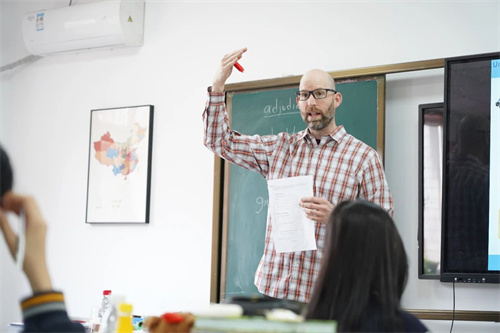
*Jeremiah日常上课
校长的观察:
每到周一,我们能看到一些孩子明显是“没有真正休息好”
——身体没休息好,情绪也没休息好。
有的周末被安排得满满当当,有的被冷落,有的在家里经历了很多冲突。
这些痕迹,一走进教室,我们就能感受到。
所以,如果我们认真谈论“同心赋能”,就必须坦诚地谈一谈家里到底发生了什么,您是如何跟孩子说话的?
是“你考了多少分、排第几名”?
还是“你最近真的过得怎么样”?
在那短短的周末时间里,你们之间有没有一些真正的链接?
一起吃顿饭、一起散个步、聊一聊不只是“作业做完了吗”的话题。
I’ll be direct: we see students on Monday who look like they haven’t really rested, not physically, not emotionally. Sometimes they’ve been over-scheduled, sometimes they’ve been ignored, sometimes they’ve been fought with. And it shows.
So if we are going to talk about “Empowerment through Unity,” we have to talk honestly about what happens at home. About how you speak to your child. About whether you ask them how they are really doing, or only what their rank or scores are. About whether, in those short weekend hours, there is any real connection, a shared meal, a walk, a conversation that goes beyond “Did you finish your homework?”
除此之外,我们还不得不谈一个很现实的问题:手机。
现代社会给了我们一个新的难题,而我们才刚刚开始理解它的严重性。
大量研究数据已经反复显示同样的结论:当青少年花大量时间盯着屏幕
——尤其是深夜,尤其是刷社交媒体和打游戏。
他们的睡眠会变差,情绪会变糟,注意力会下降,学习成绩也随之下滑。
这不是道德评判,而是客观数据所呈现的事实。
And then, on top of all that, we have to talk about phones. This is where the modern world has given us a problem that we are only just beginning to understand. We now have very large data sets that show the same pattern over and over again: when teenagers spend a lot of time on screens, especially late at night, especially on social media and games, their sleep declines, their mood worsens, their focus weakens, and their academic performance drops. This is not a moral opinion. This is just what the numbers say.
青少年的大脑还在快速发育中,它真正需要的是:充足的睡眠、真实的人际互动,以及一段段“无事可做的安静时光”。
当一个学生凌晨一点还在打游戏或刷短视频,他不仅仅是在熬夜不睡觉,更是在训练自己的大脑:
习惯于不断寻求刺激、逃避困难、无法专注深入。
“我们要求他们在周一早上坐在教室里,安静听讲、深度思考——这就好像让一个通宵抽烟喝酒的人去跑马拉松,我们不应该对他撑不住感到惊讶。”
在学校这边,我们通过严格管理来尽量控制手机的使用:统一上交、制定规则、加强监管。
但你们可能已经知道或者还不知道,很多学生其实有两部甚至更多的手机
——一部交给学校,另一部藏在身上。
而这些“备用手机”并不是凭空出现的,或许是家长出于“想给孩子多一点自由”、“心疼孩子”或者“手机而已,没那么严重”的想法买给他们的。
但我要很认真地说:这件事非常严重。
The adolescent brain is still wiring itself. It needs sleep, real human interaction, and periods of boredom and quiet to develop properly. When a student is up at 1:00 a.m. gaming or scrolling through endless short videos, they are not only losing sleep; they are training their brain to constantly seek stimulation, to avoid difficulty, and to never go deep. Then we ask them on Monday morning to sit still, pay attention, and think hard. That’s like asking someone to run a marathon after they’ve spent the whole night smoking and drinking. We shouldn’t be surprised when they collapse.
At school, we try to control this by limiting phone use. We collect devices, we set rules, we monitor. But, as you may or may not know, many students have multiple phones: one they hand in and one they hide. And very often, those extra phones do not appear out of thin air. They may be purchased by parents who want their child to have “freedom” or who feel sorry for them, or who think, “It’s just a phone, it’s not a big deal.” It is a big deal.
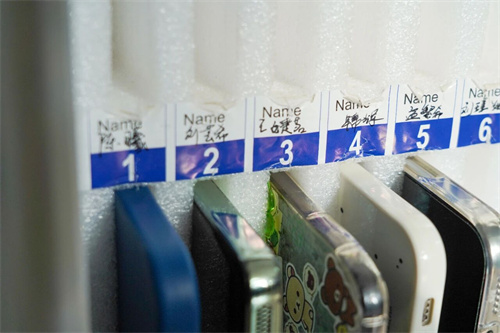
*我校的手机管理箱(由班主任统一管理一周)
如果学校说“手机必须限制使用”,而家长却对孩子说“没关系,我再给你买一部,别被发现就好”。
那么,孩子从中学到的将是一件极其危险的事情:规则可以是儿戏,权威也可以是戏弄,眼前的舒服比长远的健康更重要。
这不是在“赋能”,而是在训练孩子变得软弱,自己亲手培养出来软弱。
你可能会想:
“不就是多玩一小时游戏吗?”“不就是刷刷社交媒体吗,哪个孩子不刷?”
但当我们从几百个学生的整体数据来看,这“多一小时”就变成了稳定的模式:睡眠不足、注意力下降、学习跟不上、情绪变得更差,心理问题愈演愈烈。
接着就出现了熟悉的场景:学校被指责、老师被指责、孩子被指责“还不够努力”。
可事实上,真正的根源是:孩子所处的环境,和他们的大脑所能承受的范围,之间存在巨大的错位。
There is a very simple truth here: if the school says, “Phones are limited,” and the parent says, “Don’t worry, I’ll give you another one; just don’t get caught,” then the child learns a very powerful lesson: rules is a game, authority is a joke, and short-term comfort is more important than long-term health. That is the opposite of empowerment. That is training for weakness by yourself.
You might think, “It’s just one extra hour of games,” or, “It’s just social media; all kids do that.” But when we look across hundreds of students, that “one extra hour” becomes a pattern: they sleep less, they pay less attention, they fall behind, they feel worse, and the psychological problems get worse. And then the school gets blamed, or the teachers get blamed, or the student gets blamed for not “trying hard enough,” when in fact the real problem is a massive mismatch between the environment and what a teenager’s brain can handle.
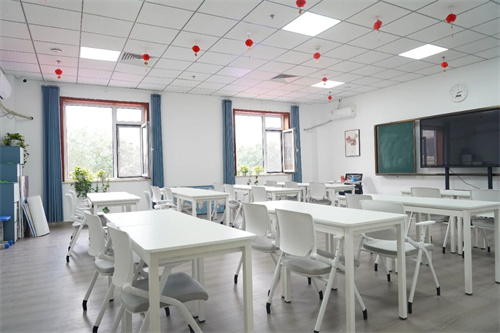
*班级教室
还有一个与“同心”高度相关、但经常被忽视的地方,就是出勤率。
在所有教育研究里,有一个听起来很“无聊”的结论,却非常可靠:稳定的出勤率,与更好的学业成绩和更稳定的情绪状态高度相关。
那些一周又一周坚持来上课的学生,往往学得更好。
一方面因为他们不会错过关键讲解,另一方面因为这种有规律的节奏本身,就在给他们的身心“打地基”。
然而,我们看到的情况是:学生请假的频率在上升。
当然,有些请假是完全必要、合理的。
但也有不少请假,仅仅是因为“在学校待着有点辛苦”,或者是因为“存在外部压力”,这就把短期舒适优先于长期成长了。
当家长一次又一次为并非必要的请假签字时,实际上默默传递了一个信息:“只要觉得有困难,来不来学校也无所谓”。
这不仅削弱了学习效果,也消耗了孩子的责任感和抗压能力。
There’s another place where this question of unity shows up very clearly, and that’s attendance. One of the strongest and most boring findings in all of education research is that consistent attendance predicts better academic results and better emotional stability. It’s not exciting or surprising, but it’s true: students who are in class, week after week, tend to do better, partly because they don’t miss key explanations, and partly because the routine itself is stabilizing.
However, we’ve seen more and more cases where students are taking frequent leave, sometimes for reasons that are truly necessary, but sometimes simply because it’s uncomfortable to be here, or because there is pressure from outside, to prioritize short-term comfort over long-term growth. When parents sign off on unnecessary leave again and again, it sends a quiet message: school is optional when it’s difficult.
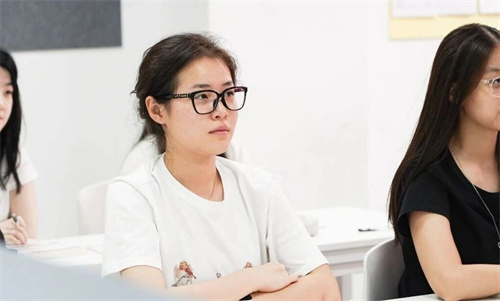
*学生日常上课
当你把这些因素叠加起来
——深夜刷手机、支离破碎的睡眠、频繁的请假。
你就会明白,为什么有些学生总是觉得整个人是“飘着的、不稳定的”。
这些选择都不是中性的,每一个选择都会塑造孩子的思想和品格。
给家长的建议:
在为孩子签字请假之前,请先认真想一想。
当然,生病、家庭突发事件、重要的就诊安排,这些都是真实而合理的需要;
但如果我们希望孩子变得坚韧,而不是脆弱,就必须帮助他们学会坚持留在“赛场里”,哪怕累一点、压力大一点,也尽量把课上完。
所谓“同心”,在这里就意味着:学校和家庭都把出勤当作一种对承和责任的日常训练,而不是一个可有可无的形式。
That undermines not just learning, but the student’s sense of responsibility and resilience. When you put those pieces together, late-night phones, fragmented sleep, and frequent leave, you start to see why some students feel constantly unstable. None of these choices are neutral; they all shape a child’s mind and character.
So, I would ask you to think very carefully before you approve leave. Of course there are genuine needs, health, family emergencies, important appointments. But if we want your children to be strong, not fragile, we need to help them stay in the game, to show up even when they’re tired or stressed. Unity here means that school and family both treat attendance not as a formality, but as a daily training in commitment.
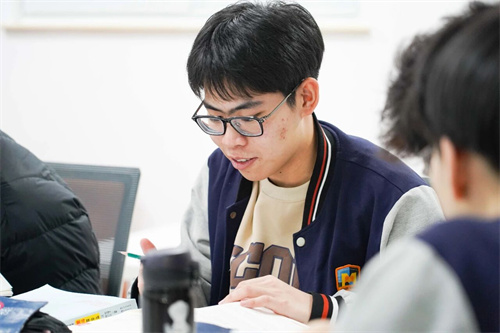
*学生日常上课
那么,在这样的现实之下,“同心”到底意味着什么?
它并不意味着我们在每一个细节上都完全一致,也不意味着家长不能质疑学校,或者学校不能对家庭的选择提出建议。
它真正的含义是:我们对现实有共同的认识,并愿意朝着同一个方向用力。
这意味着,当学校在手机管理和出勤方面划下清晰的“红线”时,家长在家里是配合并加强这些边界,而不是悄无声息地削弱。
也意味着,学校这边要不断优化制度,向学生讲清楚这些规则背后的原因,并接受家长和社会的监督。
细节可以协商,但在“睡眠是否充足、能否专注、能不能按时出勤”这些最基本的事情上,我们绝不能发出相反的信号。
So what does unity look like in this context? It does not mean that we agree on every detail. It does not mean that you never question the school or that we never question family choices. What it does mean is that we recognize the same reality and move in the same direction.
It means that when the school sets serious boundaries on phone use and attendance, parents reinforce those boundaries at home instead of quietly undermining them. It means that we, on our side, keep improving our systems, keep educating students about why these rules exist, and keep ourselves accountable. We can negotiate details, but we cannot afford to send opposite messages about something as basic as sleep, focus, and showing up.
“同心”还意味着,我们对“什么叫成功”有一个共同的愿景。
在国内,考试压力极其巨大:学校感受得到,家长感受得到,学生更是首当其冲。
最简单的做法,就是把一切都压缩成一个分数、一份录取通知书。
但如果我们只用这一条来衡量,就一定会做出很多错误的决定:
“我们会把学生推到心理承受能力之外,会忽视那些已经亮起的危险信号,会让一个冷冰冰的数字,比面前这个鲜活的人更重要。”
Unity also means we share the same vision for what success looks like. In China, the pressure around exams is enormous. We feel it as a school; you feel it as parents; the students feel it most of all. The easy thing to do is to define success purely as a score or a university offer. But if that becomes the only measure, we will make very bad decisions. We will push students beyond what is psychologically sustainable. We will ignore warning signs. We will value the number more than the person.
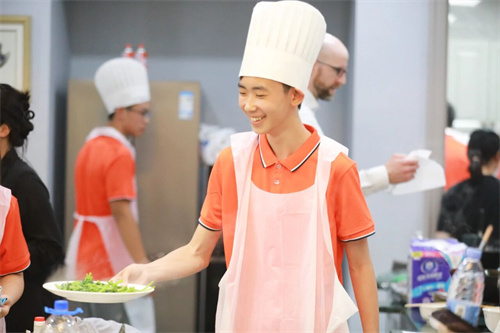
*夏令营期间学生烹饪
缓解以上情况:
我想提出一种不太一样的“优先顺序”。
考试重要,它确实能打开或关闭某些大门,但它应该被当作一座座里程碑,而不是孩子价值的全部定义。
如果我们坦诚一点,就会承认:我们真正的目标,是帮助他们成长为这样一类青年
——心理健康,有道德底线,能专注投入地学习,也有能力建立稳定而良好的关系。
“如果他们具备这些品质,人生成功的概率就已经非常高了,不管分数精确到多少;如果这些品质都没有,再高的分数也保护不了他们。”
所以,当您和孩子谈论学校、谈论学习时,我真心希望您关注的不仅是“你这次考了多少分”,还包括:
“你正在变成一个什么样的人”
“你有没有学会按时出勤、稳定出勤?”
“有没有学会说真话,在枯燥和困难面前还能坚持?”
“有没有学会尊重他人?”
“睡眠是否充足?"
"饮食是否健康?"
他们体内有没有在慢慢形成一种“内部结构”,让他们将来有能力扛起成年人的责任和压力?
I want to suggest a different hierarchy. Exams are important; they matter; they open or close certain doors. But they should be treated as milestones, not as the definition of your child’s worth. Our real goal, if we are honest, is to help them become young adults who are mentally healthy, morally grounded, capable of focused work, and able to form strong relationships. If they have those qualities, the probability that they will succeed in life is very high, regardless of the exact exam score. If they don’t have those qualities, no score can protect them.
So when you speak to your children about school, I would ask you to pay attention not only to “What score did you get?” but also to “Who are you becoming?” Are they learning to show up on time, to be in class consistently, to tell the truth, and to persist when things are boring or difficult? To treat others with respect? are they sleeping enough? Eating properly? Are they developing the internal structure that will allow them to carry the weight of adult life?
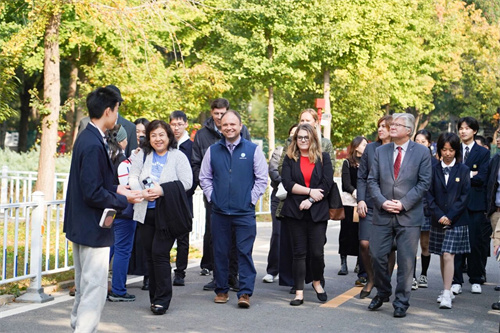
*我校学生全英文向使团介绍学校环境
从学校这一端,我们会继续致力于营造一个支持这些目标的环境:
有清晰的期待,有公正的规则,有真正关心学生的老师,有在出现问题时可以求助的心理支持与辅导,以及一套要求严格但绝不刻意严苛的课程体系。
从家庭这一端,我们并不期待“完美父母”。
家长也是人,也会累,也有压力,也会犯错,这都很正常。
我们真正期待的是理念契合:
您愿意认真面对家庭环境对孩子的影响
愿意在手机和屏幕使用上划出真实的界限
愿意把周末不仅仅当成补课和加练的时间,而是用来修复和加深亲子关系的机会
愿意在周日把尽可能休息好、情绪相对稳定的孩子送回学校
From our side, we are committed to creating a school environment that supports these things: clear expectations, fair rules, teachers who genuinely care, counselors who can help when problems arise, and a curriculum that, while demanding, is not deliberately inhuman.
From your side, what we need is not perfection. Parents are human; you are tired, you are under pressure, you make mistakes. That’s normal. What we need is alignment: that you take seriously the impact of your home environment, that you set real limits on phones and screens, that you treat your weekends not just as extra tutoring time but as a chance to build a secure relationship, and that you send your children back to us on Sunday evening feeling at least somewhat rested and emotionally held.
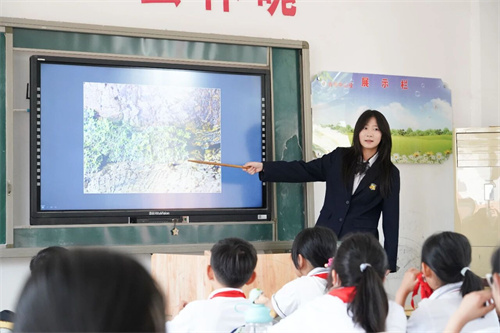
*文安支教
周末亲子时光建议:
与其安排满满的补习班,不如尝试:一起准备一顿饭、一起散步聊天、一起看一部有意义的电影、或者只是安静地陪伴彼此。
这些看似平凡的时刻,恰恰是孩子最需要的情感滋养。
倘若家校能够同心同向,共同践行这些理念,您们的孩子必将受益终身。
他们能真切感受到:身边的成年人并非在相互争夺,也并非将他们视为攀比的筹码。
而是真正携手同心,期盼他们成长为坚强、健康、有能力的成年人。
在我看来,"同心赋能"的真谛正在于此。
我们共同认同:孩子不是奖杯,不是项目,不是机器,他们是正在成长中的人。
通过我们共同制定的电子设备使用规则,共同秉持的学业要求,以及在校门内外双方给予的关爱与稳定守护,我们正在携手构建塑造他们未来的成长环境。
最后,感谢大家愿意与学校并肩同行。
推荐阅读:
前30名预约家长尊享:1对1升学指导免费招生手册免费体验课程入学考试指导提前抢占学位机会

学校适合孩子吗?去学校试听免费课即知开班倒计时
北京明德学院热门关注
北京明德学院最新动态
答北京东方红学校明德学院学费已公布,相比过往有部分调整,主要涉及不同课程阶段的费用变化,家长可关注详细具体收费标准及优惠政...
答北京东方红学校明德学院一年学费多少是家长关心的重点,其学费有明确标准,最新是否有变动需参考学校官方信息,家长可通过正规渠...
答北京东方红学校明德学院入学条件包含免中考招生政策,其报名流程清晰明确,家长和学生可通过指定渠道了解具体要求并完成报名,无...
答北京东方红学校明德学院收费标准包含家长关心的多项内容,涵盖学费,教材费,住宿费等基础费用,还涉及课外活动费,校服费等附加...
答北京东方红学校明德学院报名官网提供最新国际高中课程设置详情,涵盖课程体系、特色模块及选课指南等内容,帮助学生和家长全面了...

学费:13.80万/年简章详情>
学费:9.80万/年简章详情>
学费:13.80万/年简章详情>
学费:9.80万/年简章详情>
学费:9.80万/年简章详情>
学费:13.80万/年简章详情>

 招生服务平台始创于1999年

 打开微信扫一扫,关注育路教育官方微信

1999-2025 北京育路互联科技有限公司版权所有 | 京ICP备10025267号-13 | 京公网安备 11010802025989号
免费咨询
张老师

关注微信公众号
招生政策随时看

关注小程序
学校简章学费随时查
报名咨询电话:400-005-1568
育路教育


评论0
“无需登录,可直接评论...”